

The “Holistic Intervention in Rural Areas: Sustainable One Health Model” project, prepared under the leadership of Istanbul Gelişim University Faculty of Health Sciences Department of Social Work, has been deemed eligible for support within the scope of the TÜBİTAK 4009 Support Program for Village Schools. The study, to be carried out in Taşkesen Neighborhood of Tekman district in Erzurum, aims to bring together a preventive vision that addresses the health of living beings and the environment jointly with the needs of the local community.
This implementation, which will be carried out at Taşkesen Şehit Nurullah Saraç Primary School on September 28–30, 2026, will address the socio-spatial reality of living spaces through a holistic ecosystem approach. In this regard, by taking into account the local production dynamics in the region, a holistic approach will be adopted to raise awareness of zoonotic diseases.
The project consists of three main stages that associate scientific knowledge with local life practices:
1. Experiential STEM for Students: It is aimed that primary school students experience microbiology and hygiene processes through applied workshops such as microscopic examination of raw milk, contamination simulation with fluorescent powder, and water filter design; and contribute to strengthening household health awareness by carrying the knowledge they acquire into the family environment.
2. Health Talks by the Tandoor: It is planned to conduct interactive preventive health talks with women, who are decisive in food production and care processes in rural life, not in formal educational settings but by the tandoors, which are their natural spaces of solidarity, in accordance with local cultural dynamics.
3. Permanent Learning Area: In order to make the project outputs permanent, it is aimed to establish a “One Health Children’s Curiosity and Learning Area” within the school, where students and teachers can continuously interact.
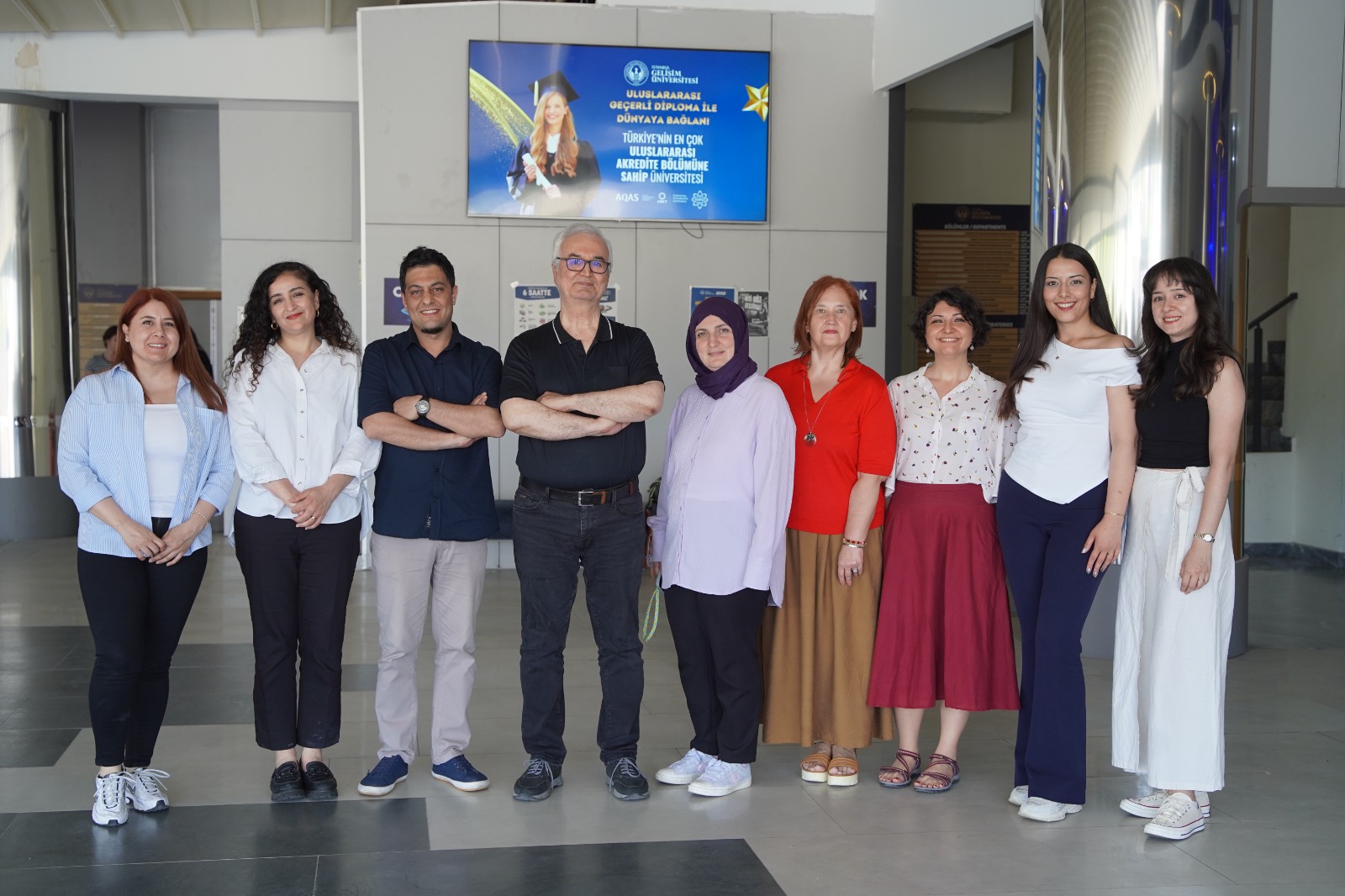
The structuring of the project team, which brings together different fields of expertise, and the workshops they will carry out are as follows:
Dr. Lecturer Emrah Tüncer (Project Coordinator / Anthropology): Field coordination and the conduct of the “One Health and Rural Social Work Talk.”
Prof. Dr. Mustafa Nizamlıoğlu (Dean of the Faculty of Health Sciences / Food Hygiene and Technology): It is planned to transfer his expertise in the field of food hygiene and technology and his knowledge on food safety and zoonotic diseases to the field through the “Cheese Culture and Raw Milk Workshop.”
Dr. Lecturer Funda Pehlevan Karabıyık (Vice Dean of the Faculty of Health Sciences / Molecular Medicine and Biology): It is aimed to transfer her experience in molecular medicine and cellular genetics to the “Invisible Danger: Contamination Simulation Workshop” for children; and to make pathogen spread visible through concrete and experiential methods.
Assoc. Prof. Dr. Anıl Al Rebholz (Sociology / Rural Sociology): Content design and development of the One Health, Ecological Life and Solidarity Workshop for Women. The workshop content, which focuses on ecological life practices, daily care processes, preventive health knowledge and rural life experiences, will be developed with a participatory approach that centers women’s local knowledge and experiences.
Dr. Çiğdem Tüncer (Medicine / Preventive Health): “Tandoor Talks”: An interactive talk activity that aims to strengthen knowledge sharing on health issues that women encounter throughout the life cycle, increase awareness of preventive health practices, and support healthy living practices.
Dr. Lecturer Yonca Güneş Yücel Atalay (General Sociology): Content selection, classification, and archive coordination of the science library to be established within the scope of the “One Health Children’s Curiosity and Learning Area.”
Res. Asst. Fatma Türkan Özırmak (Social Work) & Res. Asst. Şebnem Çelik Uçuran (Child Development): An interactive learning activity within the scope of the “Language of Nature and Future Passport Workshop,” which supports children in strengthening their relationship with nature and gaining environmental awareness and sustainable living consciousness.
Seval Tetik (Auxiliary Health Personnel / Workshop and Process Management): Field organization, logistics, and operational process management.
By combining different areas of expertise with a holistic vision, this multidisciplinary and strong academic staff brings together experts from the fields of social work, sociology, anthropology, medicine, molecular biology, child development, and food safety. The study envisages developing interdisciplinary solutions to complex social problems, transforming theoretical knowledge directly into field practices, and establishing a sustainable “One Health” model in rural areas.