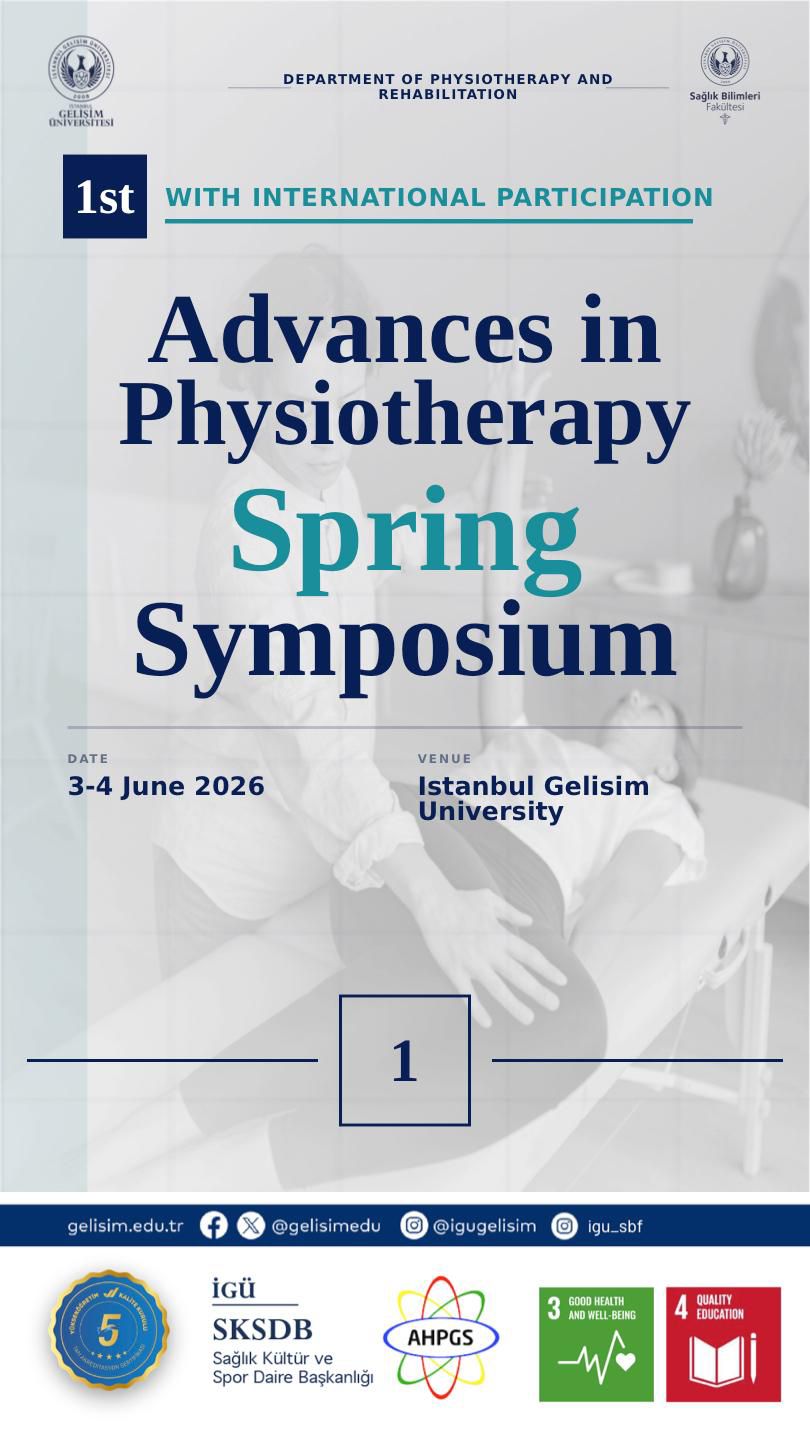

Technology-supported measurement methods used in physiotherapy and rehabilitation enable clinical assessments to be supported with more detailed and objective data. During a presentation delivered as part of the I. International Participatory Spring Symposium on Advances in Physiotherapy and Rehabilitation, organized by the Faculty of Health Sciences at Istanbul Gelisim University, the role of smartphone applications, wearable sensors, camera-based analysis systems, and artificial intelligence-supported methods in the assessment of gait, balance, joint range of motion, and activities of daily living was discussed. It was emphasized that technological tools serve as powerful data sources that complement physiotherapists’ clinical decision-making processes rather than replace traditional clinical methods.
Technology-Supported Measurement Methods in Physiotherapy and Rehabilitation Discussed
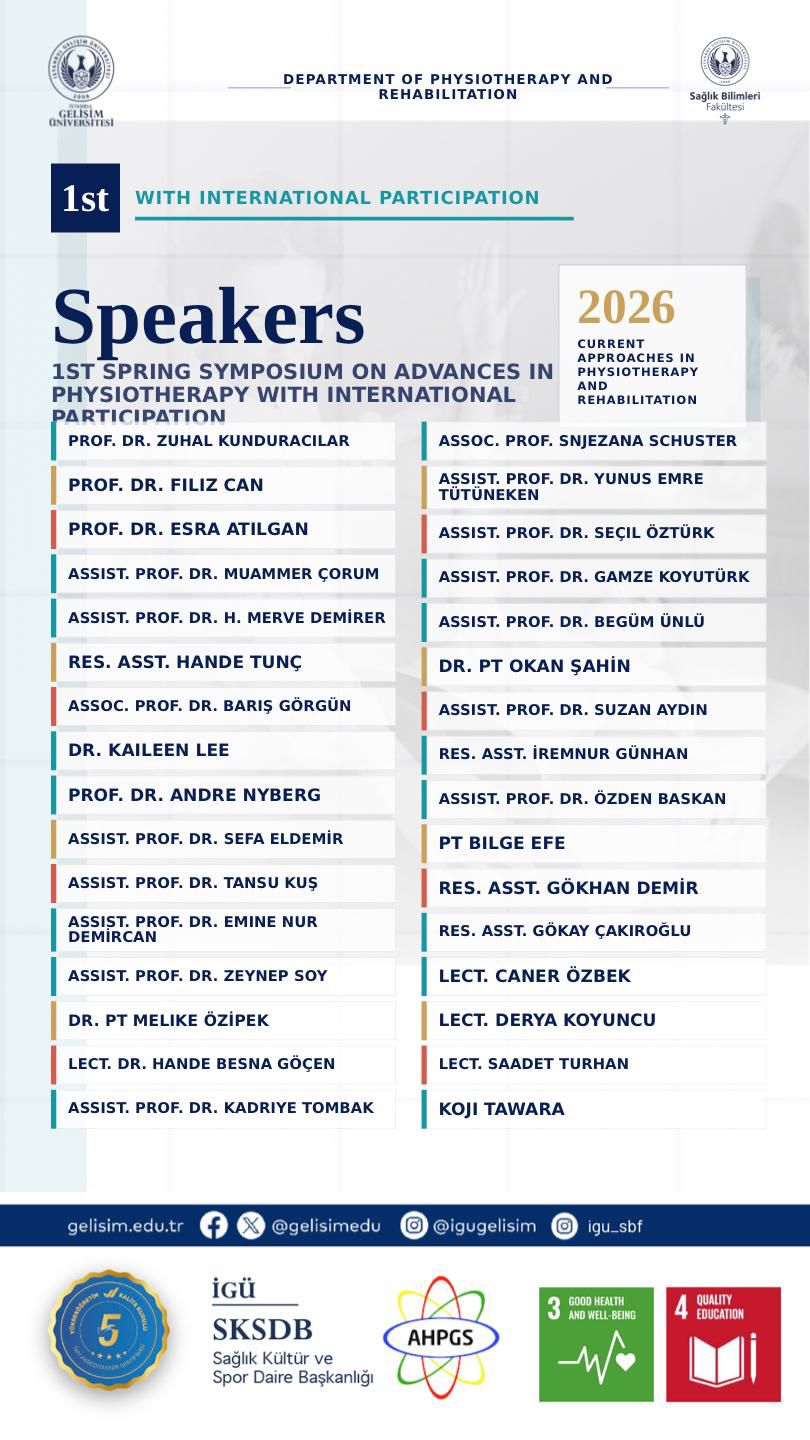
Within the scope of the I. International Participatory Spring Symposium on Advances in Physiotherapy and Rehabilitation, organized by the Faculty of Health Sciences at Istanbul Gelisim University, Res. Asst. Gökay ÇAKIROĞLU from the English Program of the Department of Physiotherapy and Rehabilitation delivered a presentation entitled “Technology-Supported Measurement and Assessment Methods in Physiotherapy and Rehabilitation.”
The presentation addressed the use of sensors, smartphone applications, wearable devices, camera systems, and artificial intelligence-based analysis methods in the field of physiotherapy and rehabilitation. It was emphasized that technological developments contribute to supporting clinical assessments with more objective data and enable the long-term monitoring of patients’ performance under real-life conditions.
Gait, Balance, and Range of Motion Can Be Assessed Using Digital Methods
During the presentation, it was stated that inertial measurement units (IMUs) and smartphone applications used in gait analysis allow the assessment of parameters such as walking speed, cadence, step length, and balance. Force platforms and computerized posturography systems were also highlighted as important tools for the quantitative assessment of balance-related variables, including postural sway and center of pressure movements.
In addition to conventional goniometric measurements, smartphone sensors, wearable devices, and camera-based artificial intelligence applications can be used to assess joint range of motion. These methods were described as complementary tools for clinical assessment, as they allow continuous data collection throughout movement.
Daily Living Activities and Exercise Adherence Can Be Monitored
Smartwatches, activity trackers, and wearable sensors facilitate the monitoring of patients’ physical activity levels during daily life. These technologies allow the objective assessment of numerous variables, including daily step count, active and sedentary time, sit-to-stand transitions, walking episodes, and stair use.
It was also noted that the digitalization of functional assessments, such as the Timed Up and Go Test, sit-to-stand tests, and the Six-Minute Walk Test, enables the analysis of detailed parameters beyond total time or distance. These parameters include movement speed, symmetry, the effect of fatigue, and movement quality.
Technology Provides a Powerful Data Source to Support Clinical Decision-Making
The presentation also included examples from current studies demonstrating how digital biomarkers can be used to monitor symptoms during daily life in neurological conditions such as Parkinson’s disease and multiple sclerosis.
It was emphasized that technology-supported measurement methods do not replace traditional clinical assessments. Rather, they support physiotherapists’ clinical decision-making processes with detailed, objective, and real-life data. The importance of using technological tools in accordance with the patient’s needs, the appropriate method, and clinical requirements was also highlighted.