22 May 2026
Future Cities Envisioned at Istanbul Gelisim University:“Rethinking Urban Justice” Symposium Brought Young Minds and the Scientific Community Together
Istanbul Gelisim University Faculty of Health Sciences brought together academics, students, local government representatives and invited guests on May 15, 2026, for the third edition of the “Rethinking Urban Justice: Hope, Utopia and Common Life Symposium.”
Istanbul Gelisim University (IGU) Faculty of Health Sciences hosted one of the most remarkable visionary academic events of recent times. The third edition of the “Rethinking Urban Justice: Hope, Utopia and Common Life Symposium” turned into an interdisciplinary platform that approached the city not merely as a space of buildings and streets, but as a shared living environment centered on human dignity, health, justice and accessibility. What began three years ago as a modest idea in a classroom has now become a large-scale organization bringing together broad audiences and experts from various disciplines, strengthening its place as an institutional tradition of the university.
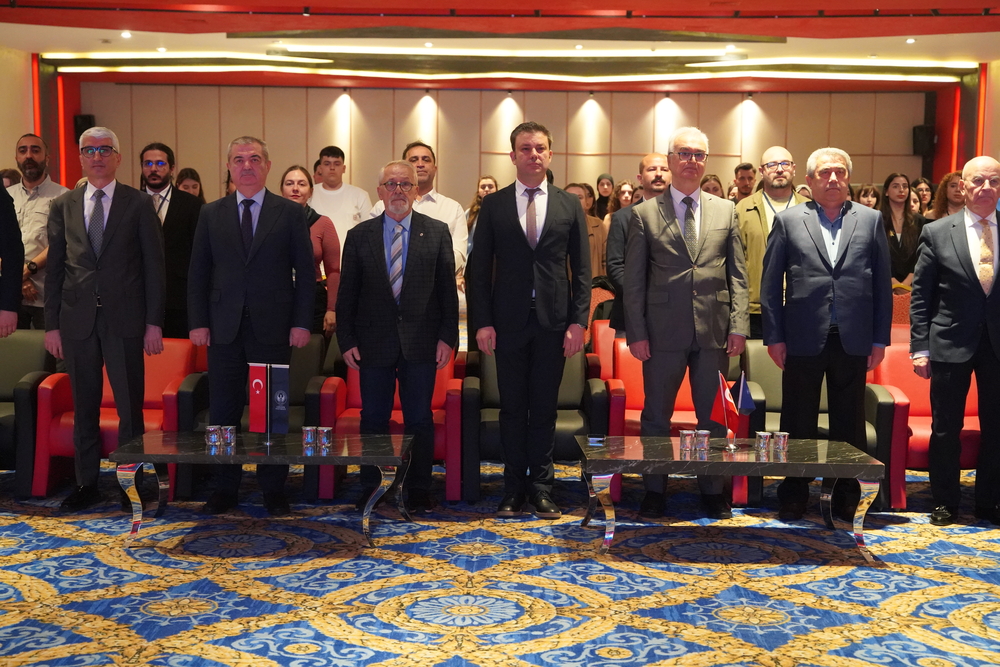
The symposium began with a moment of silence in memory of the founder of the Republic of Türkiye, Gazi Mustafa Kemal Atatürk, his comrades-in-arms, our cherished martyrs and veterans who have passed away, followed by the Turkish National Anthem. The event attracted great interest from protocol members, local government representatives and the academic community. The symposium was attended by Istanbul Gelisim University Rector Prof. Dr. Bahri Şahin, Founding Member of the Science Academy Prof. Dr. Naci Görür, Deputy Mayor of Avcılar Municipality Yüksel Can, Vice Rector Prof. Dr. S. Arda Öztürkcan, President of Avcılar City Council Turgay Halisçelik, Avcılar Municipality Director of Health Affairs Dr. Ferihan Hafızoğlu, Dean of the Faculty of Health Sciences Prof. Dr. Mustafa Nizamlıoğlu, Head of the Department of Social Work Prof. Dr. İsmet Galip Yolcuoğlu, academics, students and invited guests.
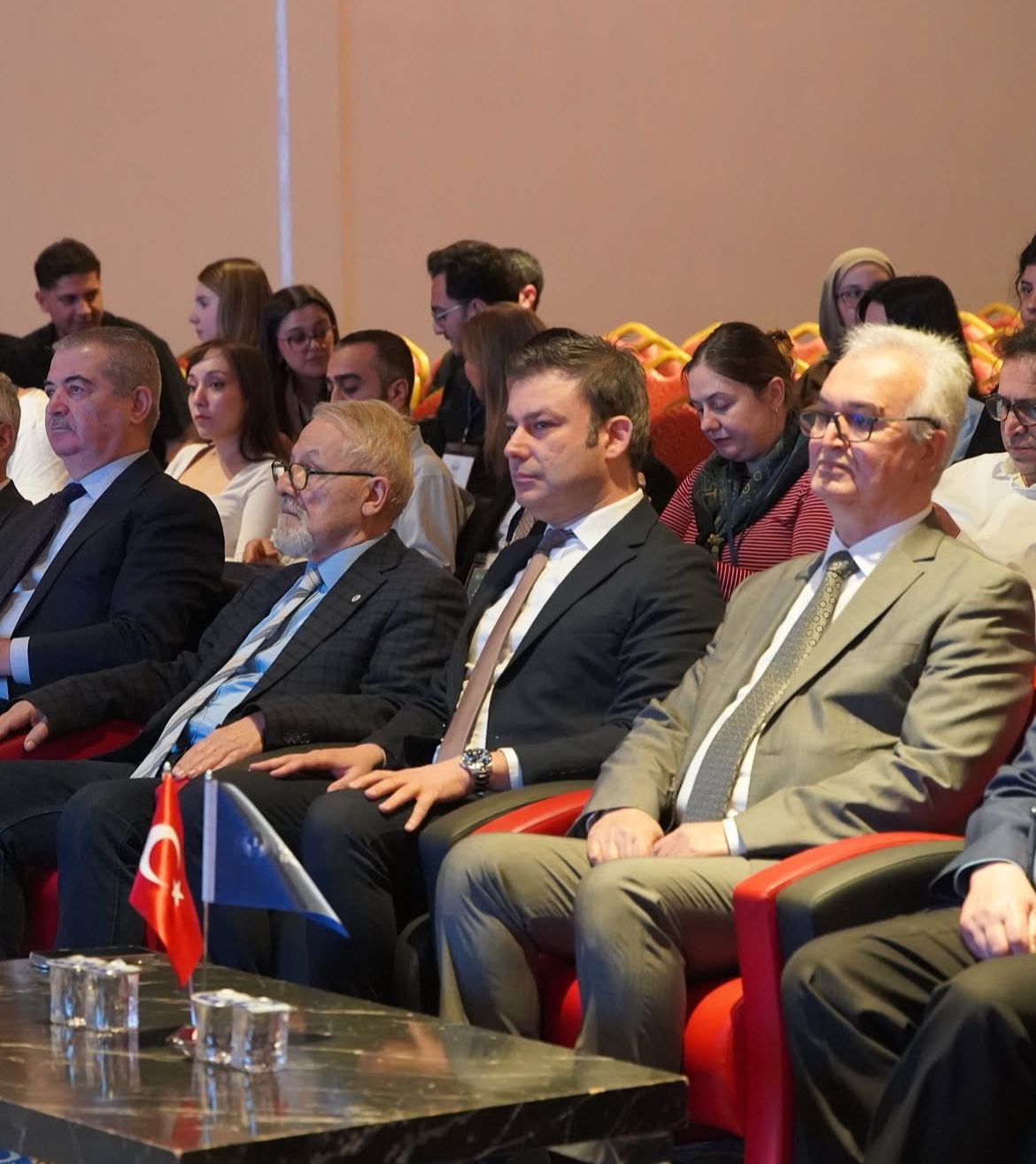
The first speaker of the program was Prof. Dr. İsmet Galip Yolcuoğlu, Head of the Department of Social Work at Istanbul Gelisim University Faculty of Health Sciences. In his speech, which established a strong connection between the city and social work, Yolcuoğlu emphasized that the problems emerging in modern urban life directly affect disadvantaged groups. He stated that ensuring urban justice is not only a matter of spatial planning, but also a social necessity and a requirement of human dignity. Yolcuoğlu also underlined the critical role of the social work discipline in establishing an equal, accessible and rights-based urban life for all.
Following Yolcuoğlu, Prof. Dr. Mustafa Nizamlıoğlu, Dean of the Faculty of Health Sciences, delivered his speech focusing on the institutional structure of the symposium and its educational model. Nizamlıoğlu expressed his pride that the initiative had grown beyond a single department and turned into a broad collaboration involving the entire faculty. He emphasized the importance of this transformative practice, in which students are not passive recipients of knowledge but active producers and subjects of learning. He also stated that such organizations, which go beyond the limits of traditional classroom education and encourage students to think, discuss and produce, strengthen the faculty’s educational vision.
The final institutional speech of the opening session was delivered by Istanbul Gelisim University Rector Prof. Dr. Bahri Şahin. Prof. Dr. Şahin reaffirmed the university’s strong support for interdisciplinary studies and student-centered projects. He emphasized that academia should not remain confined within four walls, and that science, discoveries and academic production should find a response in society, on the streets and in public life. He also stated that the utopian and innovative solutions developed by students for urban problems are among the most concrete examples strengthening the relationship between university and society.
After Prof. Dr. Bahri Şahin, Deputy Mayor of Avcılar Municipality Yüksel Can also delivered a speech. Can stated that the urban and social projects carried out in Avcılar are nourished by such qualified scientific processes. He noted that the visionary projects produced under the roof of the university open up new perspectives for local governments. Referring to one of the most vital issues of the region, Can emphasized that they continue their work with determination, guided by science and a sense of responsibility, without ever disregarding the reality of earthquakes.
Vital Warnings from Prof. Dr. Naci Görür: Earthquake-Resilient Cities Are a Necessity
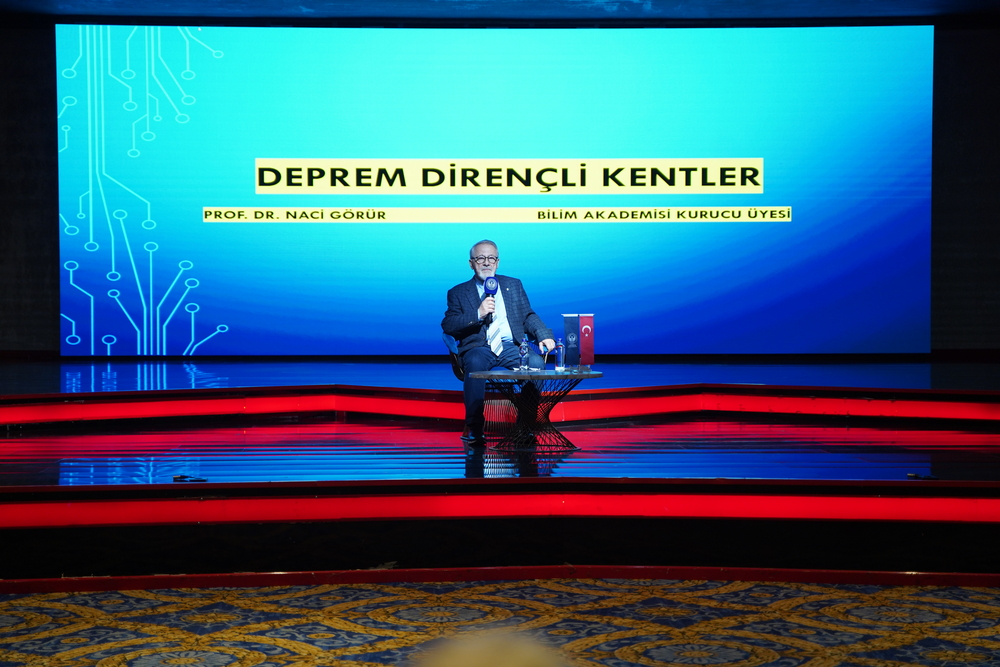
Following the opening speeches, the keynote speaker of the symposium was invited to the stage. Prof. Dr. Naci Görür, Founding Member of the Science Academy and one of Türkiye’s leading scientists in the field of earth sciences, addressed one of the most urgent issues concerning Türkiye and the Marmara Region.
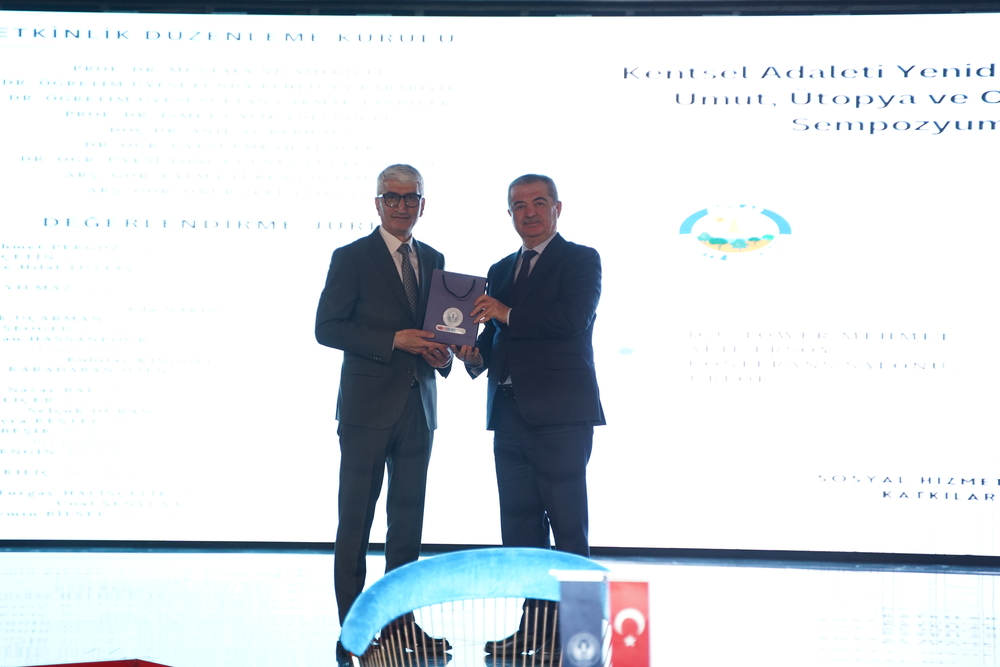
Having completed his doctorate at Imperial College, University of London, and having led international projects on the earthquake potential of the Marmara Sea especially after the 1999 earthquakes, Prof. Dr. Görür delivered significant warnings regarding the reality of earthquakes. He emphasized that urbanization policies cannot be carried out independently of scientific reasoning. Görür stated that renewing buildings alone is not sufficient, and that building fully earthquake-resilient cities with their economy, infrastructure, people and governance mechanisms is a vital necessity. His presentation, which highlighted the importance of scientific guidance and social responsibility, attracted great attention from the audience. Following his speech, IGU Rector Prof. Dr. Bahri Şahin thanked Prof. Dr. Naci Görür and presented him with a plaque.
After the protocol speeches and the keynote presentation, the academic team involved in the organization and execution of the symposium was invited to the stage. Assist. Prof. Dr. Emrah Tüncer, Assist. Prof. Dr. Yonca Güneş Yücel and Res. Asst. F. Türkan Özırmak shared with the participants the story of how the idea first emerged and developed over time. They explained that the students’ strong interest, the depth of their projects and their enthusiasm for urban justice helped the idea quickly move beyond the boundaries of the classroom. It was emphasized that in its second year, the process expanded to the entire faculty with the participation of other departments, and this year it evolved into a fully developed interdisciplinary symposium with institutional partnerships, a large jury and digital infrastructure. The academics concluded their remarks by explaining how students became active subjects of learning throughout the months-long preparation process, how ideas matured through group work, and how this collective effort contributed to the university’s vision.
10 Unique Utopias from 10 Departments Competed
The second major part of the symposium was dedicated entirely to students’ creativity and imagination. Following the presentation by Assist. Prof. Dr. Emrah Tüncer, one of the key figures behind the idea and organization of the event, on the story of the symposium and its journey from classrooms to a larger academic platform, the eagerly awaited Student Utopia Presentations began.
Student groups representing 10 different departments within the Faculty of Health Sciences prepared 10 unique utopian city designs as a result of months of work, each approaching the city from the perspective of their own discipline. The projects and presenting departments were as follows:
- Department of Health Management: Kairostopolis
- Department of Nursing: Republic of Care
- Department of Physiotherapy and Rehabilitation: Holoyaşam
- Department of Child Development: Visia
- Department of Speech and Language Therapy: Diltopya
- Department of Perfusion: Kardiyopolis
- Department of Occupational Therapy: Ergosphere
- Department of Nutrition and Dietetics: EutrophiaPoli
- Department of Audiology: Silentium
- Department of Social Work: Tirü-Anda
During the lunch break, participants also visited the “If It Were Me” board set up in the foyer area. On this board, designed like a blank page of a city, guests and students wrote down their dreams, urban demands and hopes for “another world,” creating a collective utopia wall.
A Large Multidisciplinary Jury
A diverse jury consisting of experts from different fields such as urban studies, health, media, art, education and local government was formed to evaluate the students’ presentations. The jury included the following names:
Ahmet Pekgöz (Teacher), Assist. Prof. Dr. Anıl Çetin (IGU), Assist. Prof. Dr. Ayşe Hilal Tuztaş (Yeditepe University, Anthropologist), Büşra Yılmaz (Urban Policy Specialist - Marmara Municipalities Union), Eda Narin (Journalist), Emek Uçarman (General Art Director), Emir Köseoğlu (Specialist Veterinarian), Hassan Hassanpour (PhD Student - Neuroscience), Kubilay Kınoğlu (Forensic Medicine Specialist), Res. Asst. Merve Karadaban Özen (IGU), Assist. Prof. Dr. Nazar Bal (IGU), Dr. Özgür Kılıçer (Family Physician), Selçuk Duran (Sociologist - Avcılar Municipality), Assist. Prof. Dr. Seyra Kestel (IGU), Sibel Beşik (PhD Student), Assist. Prof. Dr. Sibel Zengin (IGU), Dr. Tarkan Kılıç (PhD in Media and Communication - Chamber of Environmental Engineers), Turgay Halisçelik (President of Avcılar City Council), Ünal Şenyuva (Director - Sözcü TV) and Yasemin Bilsel (Sociologist - İSEV).
Major Awards and Scholarships Presented to the Winners
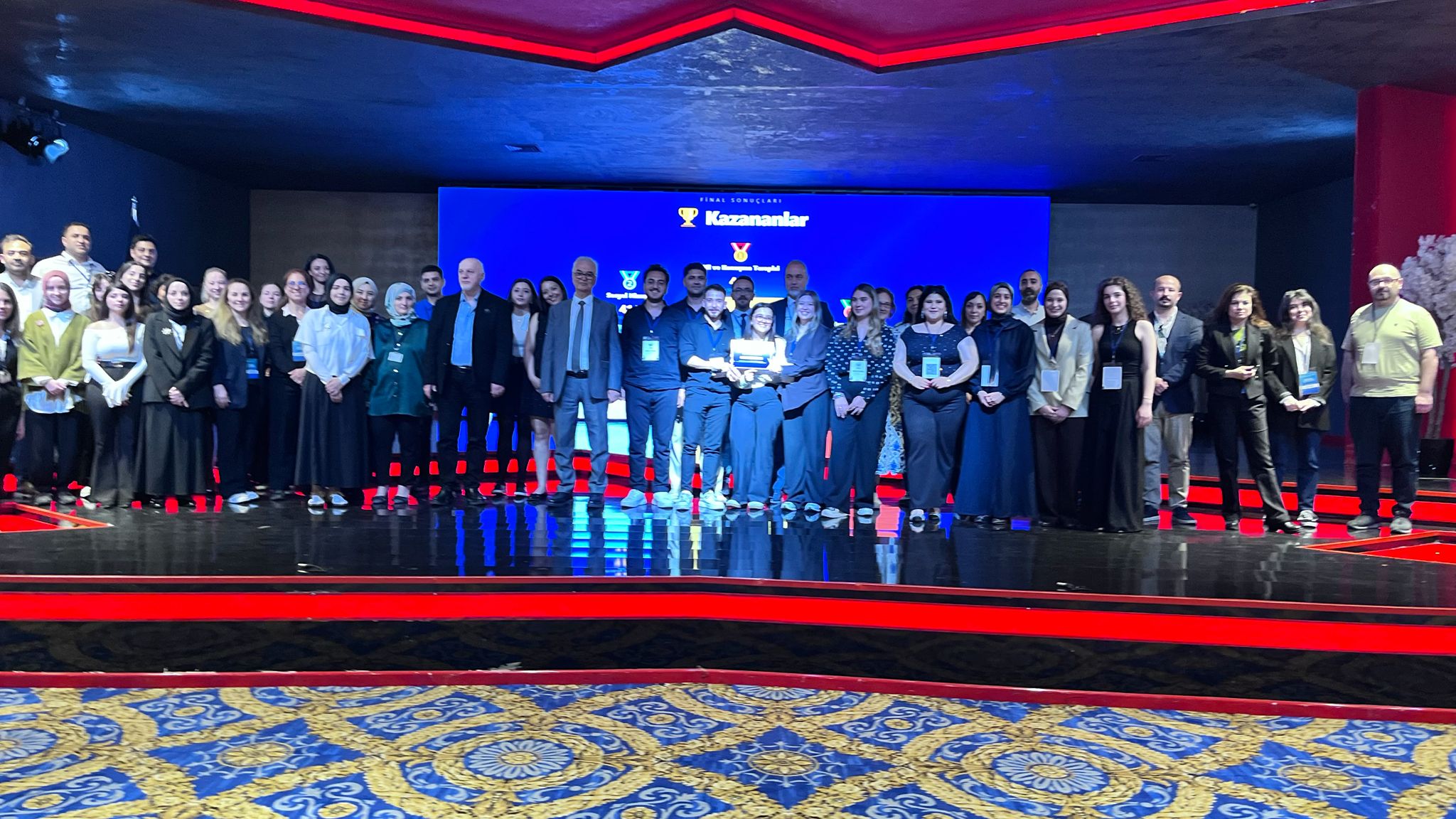
After all presentations were completed, the scores submitted simultaneously by the jury members through the digital system were calculated. Following an exciting wait, the winning teams were announced based on their originality, coherence, applicability and strong contribution to the vision of urban justice.
Dean of the Faculty of Health Sciences Prof. Dr. Mustafa Nizamlıoğlu, Vice Dean Assist. Prof. Dr. Funda Pehlevan Karabıyık and Vice Dean Assist. Prof. Dr. Sultan Çakmak Tanrıver were invited to the stage to present the awards to the winning teams. This year, the successful students received educational scholarships to support their academic development, as well as special awards that would enrich their social lives. As a result of the jury’s careful evaluation, the award-winning departments and their prizes were as follows:
- First Prize: The Department of Speech and Language Therapy won first place with its strong urban justice vision and applicable project structure. The winning team received tickets to prestigious cultural and artistic events, as well as the highest level of educational scholarship for specialist programs to be offered by Istanbul Gelisim University Continuing Education Center (IGUSEM).
- Second Prize: The Department of Social Work ranked second with its original design addressing urban problems through the lens of social rights. The successful group received cultural and artistic event tickets, as well as a high-level educational scholarship from IGU Continuing Education Center to support their personal development.
- Third Prize: The Department of Occupational Therapy was awarded third place with its multidimensional approach to accessibility for all. The students received cultural and artistic event tickets and educational scholarship opportunities at varying rates from IGU Continuing Education Center.
This Tradition Will Continue
The symposium concluded with a strong message of solidarity for the future. In the closing remarks, it was stated that the hope nurtured in the hall would certainly find a place in the real cities of tomorrow. The event ended with the emphasis that urban justice, hope and the culture of living together should continue to be defended collectively. Successfully completed with great interest, the organization came to an end with the hope of meeting again for the fourth edition next year.