15 June 2026
A Sustainable “One Health” Model in Taşkesen Neighborhood, Tekman District, Erzurum: TÜBİTAK Support for a Project by Istanbul Gelisim University
The project titled “Holistic Intervention in Rural Areas: A Sustainable One Health Model,” developed under the leadership of the Faculty of Health Sciences at Istanbul Gelisim University, coordinated by the Department of Social Work, and supported by the contributions of Faculty Dean Prof. Dr. Mustafa Nizamlıoğlu and Vice Dean Dr. Funda Pehlevan Karabıyık, has been awarded funding under the TÜBİTAK 4009 Support Program for Village Schools.
The project will be implemented between September 28–30, 2026, at Taşkesen Şehit Nurullah Saraç Primary School in Taşkesen Neighborhood, Tekman District of Erzurum. Adopting an ecosystem-based and holistic perspective, the initiative will address the socio-spatial characteristics of the region while considering local production practices and rural living conditions. The project aims to raise awareness of zoonotic diseases and strengthen preventive health approaches within the community.
The project consists of three main components that connect scientific knowledge with everyday life experiences:
Applied STEM Activities for Students
Through hands-on workshops such as the microscopic examination of raw milk, contamination simulations using fluorescent powder, and the design of simple water filtration systems, primary school students will gain practical experience in microbiology and hygiene. By sharing their newly acquired knowledge with their families, students are also expected to contribute to improving health awareness at the household level.
Health Gatherings Around the Traditional Tandoor Oven
Interactive discussions on preventive health will be organized with women, who play a central role in food production and caregiving processes in rural communities. Rather than being held in formal educational settings, these gatherings will take place around traditional tandoor ovens—natural social meeting points in daily rural life. This approach aims to create a participatory learning environment that is both culturally relevant and community-oriented.
Sustainable Learning Space
To ensure the long-term impact of the project, a “One Health Children’s Curiosity and Learning Space” will be established within the school. This dedicated area will provide students and teachers with an interactive environment for continuous learning and engagement.
Interdisciplinary Project Team and Planned Activities
Dr. Emrah Tüncer (Anthropology)
Responsible for field coordination and the implementation of the “One Health and Rural Social Work Seminar.”
Prof. Dr. Mustafa Nizamlıoğlu (Dean, Faculty of Health Sciences)
Will share his expertise in food safety, food hygiene, and zoonotic diseases through the “Cheese Culture and Raw Milk Workshop.”
Dr. Funda Pehlevan Karabıyık (Vice Dean, Faculty of Health Sciences)
Will contribute her expertise in molecular medicine and cellular genetics through the “Invisible Threat: Contamination Simulation Workshop,” helping children understand disease transmission through experiential learning methods.
Assoc. Prof. Dr. Anıl Al Rebholz (Sociology)
Will lead the development of the One Health, Ecological Living, and Solidarity Workshop for Women. The workshop will focus on preventive health, everyday caregiving practices, and rural life experiences through a participatory approach that values women’s local knowledge and experiences.
Dr. Çiğdem Tüncer (Medicine)
Will facilitate the “Tandoor-Side Conversations” sessions, promoting knowledge sharing on health issues encountered by women throughout different stages of life, raising awareness of preventive healthcare practices, and encouraging healthy lifestyle habits.
Dr. Yonca Güneş Yücel Atalay (General Sociology)
Will coordinate the content planning, classification, and archiving processes of the science library to be established within the One Health Children’s Curiosity and Learning Space.
Research Assistant Fatma Türkan Özırmak and Research Assistant Şebnem Çelik Uçuran
Will conduct the “Language of Nature and Future Passport Workshop,” which aims to strengthen children’s connection with nature, increase environmental awareness, and encourage sustainable living practices.
Seval Tetik
Will be responsible for field organization, logistics planning, and the coordination of operational processes.
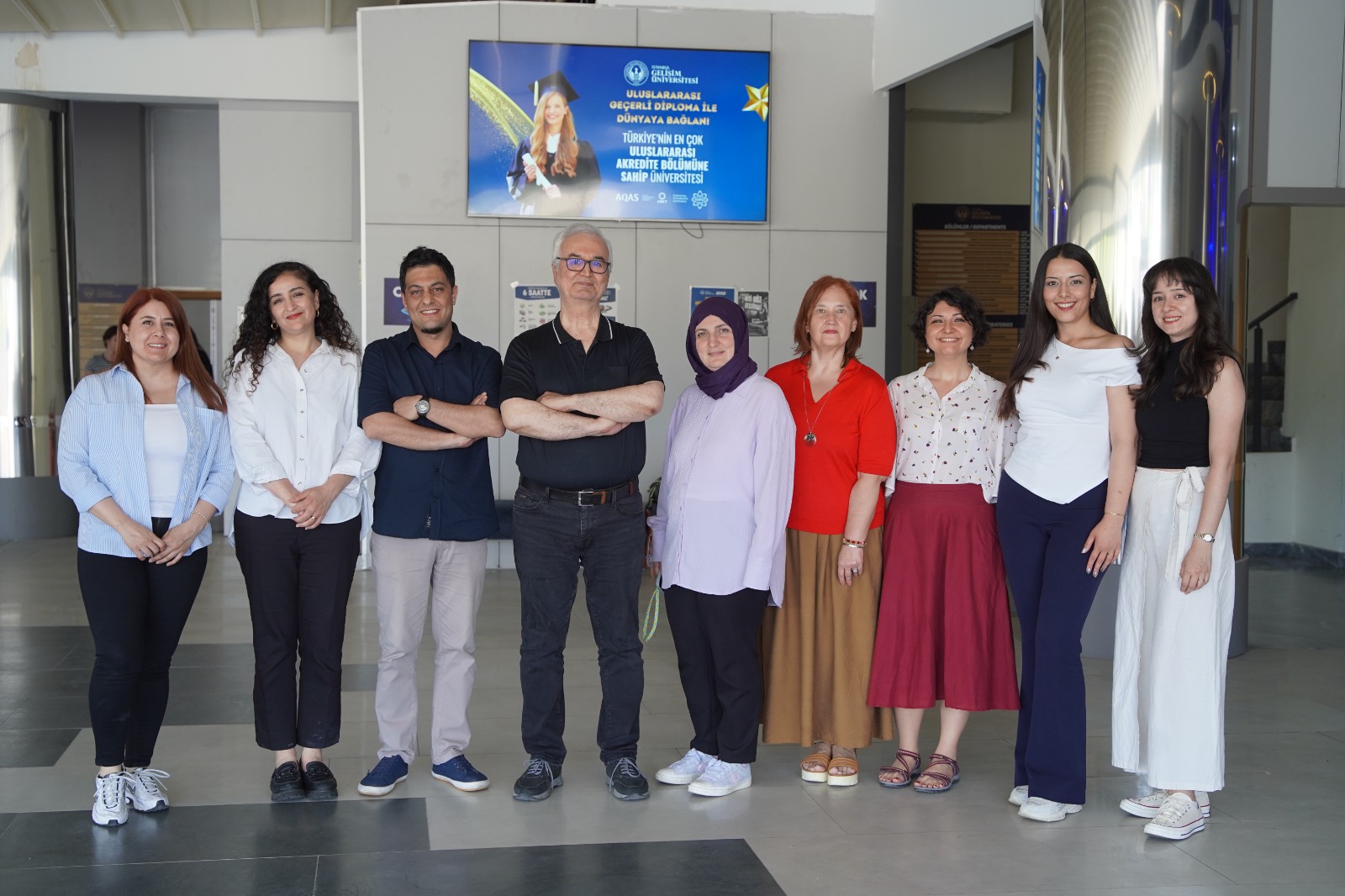
Bringing together experts from diverse disciplines, this strong academic team combines expertise in social work, sociology, anthropology, medicine, molecular biology, child development, and food safety within a shared framework. The project seeks to address complex social challenges through interdisciplinary solutions, bridge academic knowledge with field-based practice, and contribute to the development of a sustainable One Health model for rural communities.