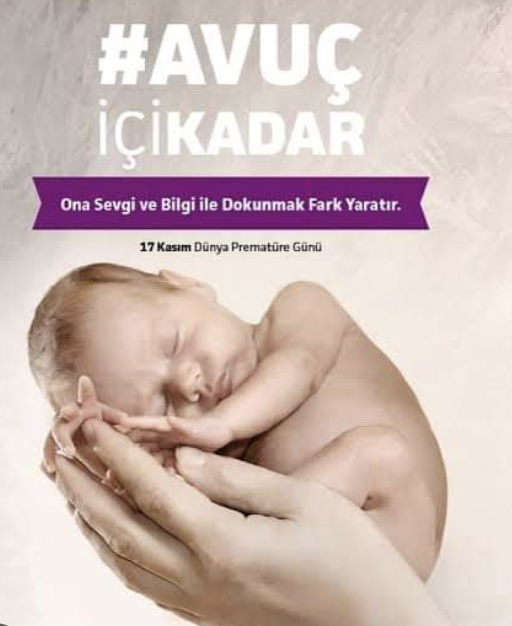
Every year, millions of families around the world face births that occur before the 37th week of pregnancy. According to WHO and UNICEF data, approximately 13.4 million babies were born prematurely in 2020, accounting for about 10% of all live births. Prematurity remains the leading cause of death among children under the age of five and was responsible for around 900,000 deaths in 2019.
A calendar note for 2025: November 15 or 17?
World Prematurity Day has traditionally been observed on November 17. However, starting in 2025, the WHO officially designated November 15 as World Prematurity Day in its global health calendar. Nevertheless, many partners and organizations will continue to mark this year’s events on November 17.
Global outlook: Slow progress, persistent inequalities
According to UNICEF’s 2025 updates, while under-five mortality rates have dropped to historic lows, prematurity and birth-related complications remain among the leading causes of death. Progress has slowed since 2015, and the majority of these deaths occur in low- and middle-income countries.
The WHO’s “Preterm Birth” fact sheet highlights that when preterm babies do not have access to adequate care, they face life-threatening challenges such as respiratory distress, infection, and hypothermia. Yet, up to three-quarters of these deaths could be prevented through simple, cost-effective interventions — including antenatal corticosteroids, tocolytic therapy to delay labor, early and continuous Kangaroo Mother Care (KMC), early breastfeeding support, continuous positive airway pressure (CPAP), and caffeine therapy.
“Strong beginnings from birth”
The WHO’s 2025 campaign theme, “Healthy beginnings, hopeful futures,” underscores that every baby deserves a fair chance at life from the very first moments. In 2025, the World Health Assembly officially included World Prematurity Day in the WHO’s list of recognized international health days, further raising awareness and visibility.
Limited progress
Between 2010 and 2020, progress remained limited in many regions, with the burden of preterm birth concentrated mainly in South Asia and sub-Saharan Africa.
What needs to be done?
UNICEF and WHO call for investment in proven, low-cost solutions for premature infants: quality antenatal care (at least eight contacts), early detection and management of infections and risks, family-centered care, initiation of quality care immediately after birth, appropriate use of CPAP and essential medications, and the delivery of respectful and equitable care for every mother and baby.